

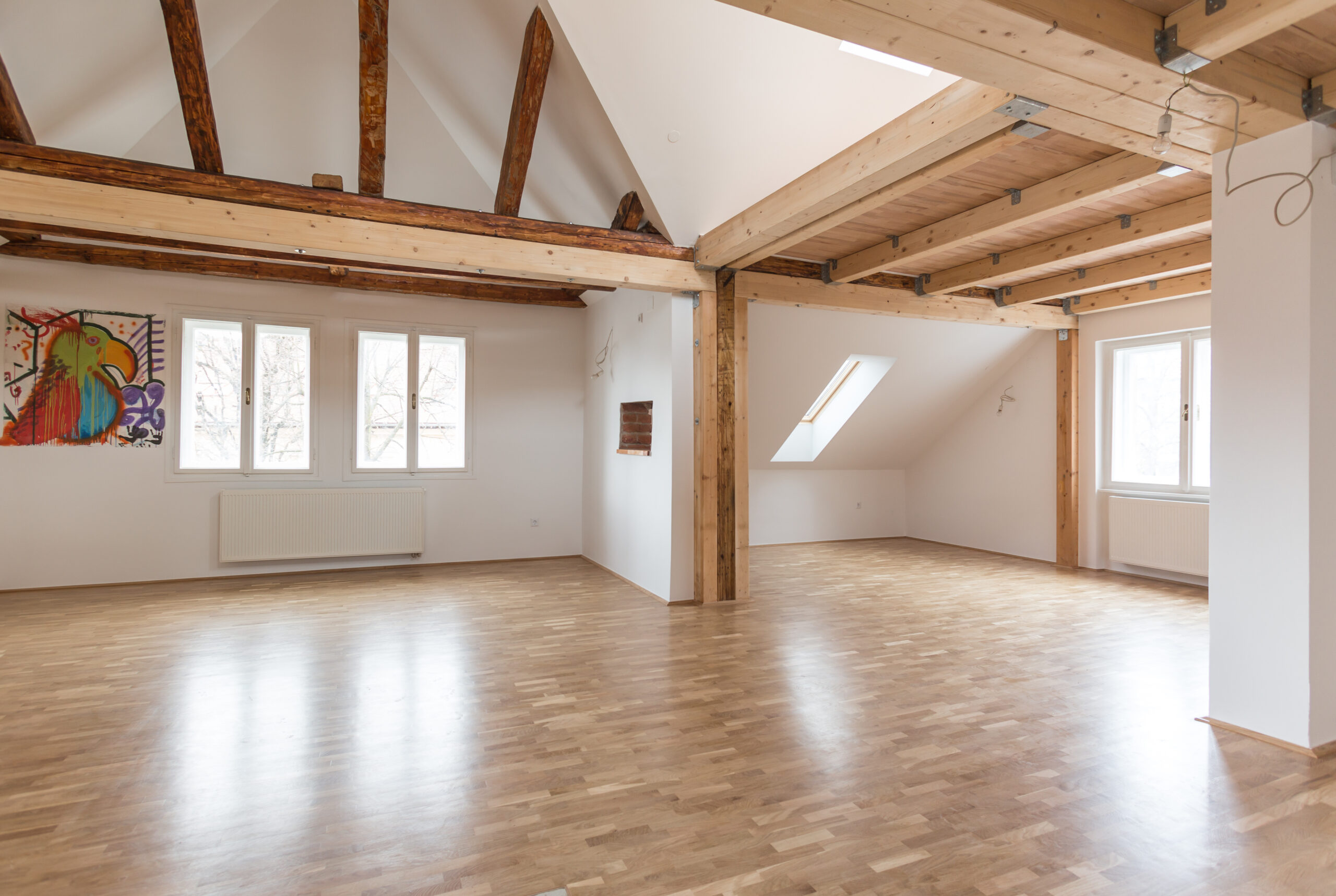
Interior renovation is a constantly evolving field, influenced by design trends, technological advancements, and personal preferences. Whether you aim to modernize your living space or increase the value of your home, understanding current trends and best practices is essential to successfully execute your project. This article provides an in-depth look at the latest interior renovation trends and offers guidance on the best practices for a successful transformation.
Table de matières
ToggleCurrent Trends in Interior Renovation
- Neutral and Natural Colors
Neutral and natural color palettes dominate interior renovation trends. Shades like beige, gray, and earthy tones bring a sense of calm and serenity to any room. These versatile colors can be easily complemented with vibrant accessories for a dynamic look. - Integration of Sustainable Materials
Sustainability is a growing priority in interior design. Eco-friendly materials like bamboo, cork, and reclaimed wood are increasingly popular. These materials not only benefit the environment but also add a unique, natural touch to your home. - Open Spaces
Open floor plans remain highly appealing, offering a sense of spaciousness and freedom. By removing non-load-bearing walls, you can create a multifunctional area that combines the living room, kitchen, and dining space. Open layouts also enhance natural light and airflow. - Modern and Functional Kitchens
As the heart of the home, kitchens are a focal point of renovation projects. Current trends include handleless cabinets, quartz countertops, and multifunctional kitchen islands. The emphasis is on functionality with smart storage solutions and state-of-the-art appliances. - Spa-Inspired Bathrooms
Bathrooms are evolving into spaces for relaxation and wellness. Features like walk-in showers, freestanding bathtubs, and double sinks are highly sought after. Materials like marble and ceramic tiles add a luxurious touch to these spaces. - Smart Technology
Smart homes are becoming increasingly common. Connected thermostats, lighting, and security systems provide convenience and safety. Incorporating technology into your renovation allows for more efficient management and personalized living spaces.
Best Practices for a Successful Renovation
Planning and Design
a. Needs Assessment
Before starting your renovation, assess your needs and goals. What do you want to achieve with this renovation? What existing issues need to be addressed? A clear evaluation will help you create a detailed plan.
b. Realistic Budget
Set a realistic budget that considers all aspects of the renovation, including materials, labor, and unforeseen expenses. Allocate a contingency fund to avoid budget overruns.
c. Choosing the Right Professionals
Hire qualified and experienced professionals for your project. Look for contractors, architects, and designers with strong references and impressive portfolios. A skilled professional can turn your ideas into reality while staying within your budget.
Preparing the Site
a. Demolition and Clearing
The demolition phase is crucial for preparing the site. Ensure that debris is properly removed and the site is clean before starting reconstruction.
b. Materials Management
Store materials in an organized manner to prevent damage and loss. Use dedicated spaces for each type of material and ensure they are easily accessible.
Execution of Work
a. Monitoring and Coordination
Maintain constant communication with your professionals to track progress. Coordinate the different stages of the renovation to avoid delays and conflicts among the various trades.
b. Quality of Execution
Ensure that the work is performed according to quality standards. Regularly inspect the completed work and request corrections if necessary. Quality finishes are essential for durability and the aesthetic appeal of your renovation.
Finishes and Furnishing
a. Choice of Finishes
Finishes, such as paints, flooring, and fixtures, play a crucial role in the final appearance of your space. Choose high-quality materials and ensure they harmonize with the rest of the decor.
b. Furnishing and Decoration
Once the work is complete, move on to furnishing and decorating. Select furniture and accessories that complement your interior design and bring comfort and functionality to your space.
Conclusion
Interior renovation is an exciting project that can transform your home and improve your quality of life. By following current trends and applying best practices, you can create a space that meets your needs and reflects your personal style. Whether undertaking a small renovation or a complete transformation, careful planning and quality execution are essential to achieving the desired results.


